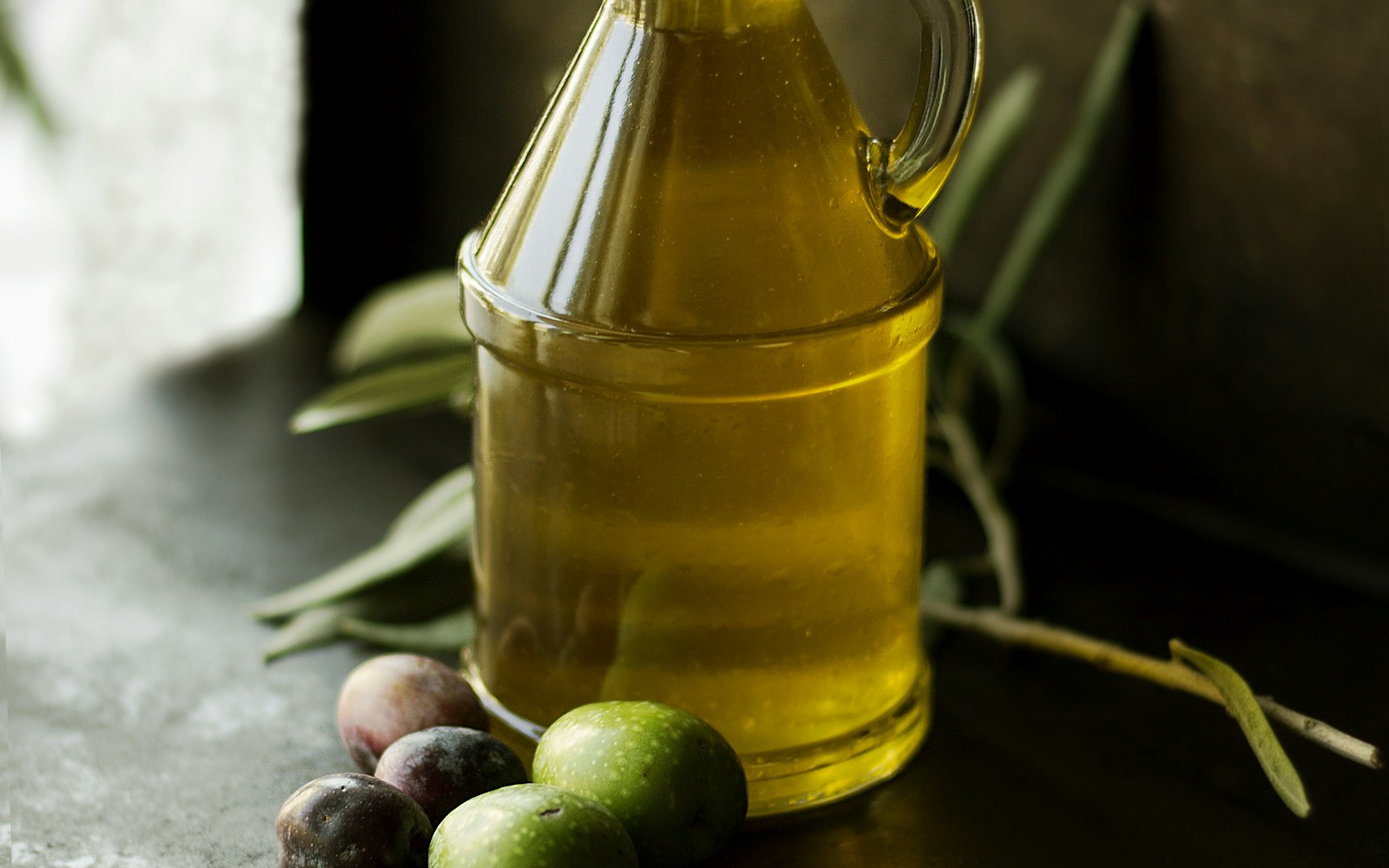
No corner of nutrition Twitter is more exhausted than the oils debate. One camp treats extra virgin olive oil as a sacrament. The other insists that sunflower and rapeseed oils are slowly poisoning the public. The clinical literature is calmer than either.
Replacing saturated fat from butter and fatty meat with unsaturated oils is still associated with lower heart disease risk. That includes rapeseed (canola) and sunflower as well as olive. The Mediterranean pattern, however, keeps winning head-to-head comparisons, and extra virgin olive oil is a large part of why: it brings polyphenols as well as fat.
The seed-oil panic leans on heating, omega-6 fats and industrial processing. Frying any oil too hard, too often, is a bad idea. Using a bottle of supermarket vegetable oil in a tomato sauce is not the same as living on fried takeaway. Omega-6 fats are essential; the problem in British diets is usually the company they keep — refined flour, sugar, salt — not linoleic acid as a lone villain.
“If you can afford extra virgin olive oil for dressings and gentle cooking, use it,” said Dr Patel. “If you cook with rapeseed at home and eat vegetables, you are not on the wrong side of history.”
What does not survive contact with evidence is the idea that all plant oils are interchangeable with a glug of olive oil from a dusty bottle of no particular origin. Quality, dose and the rest of the plate matter. So does not burning the pan.