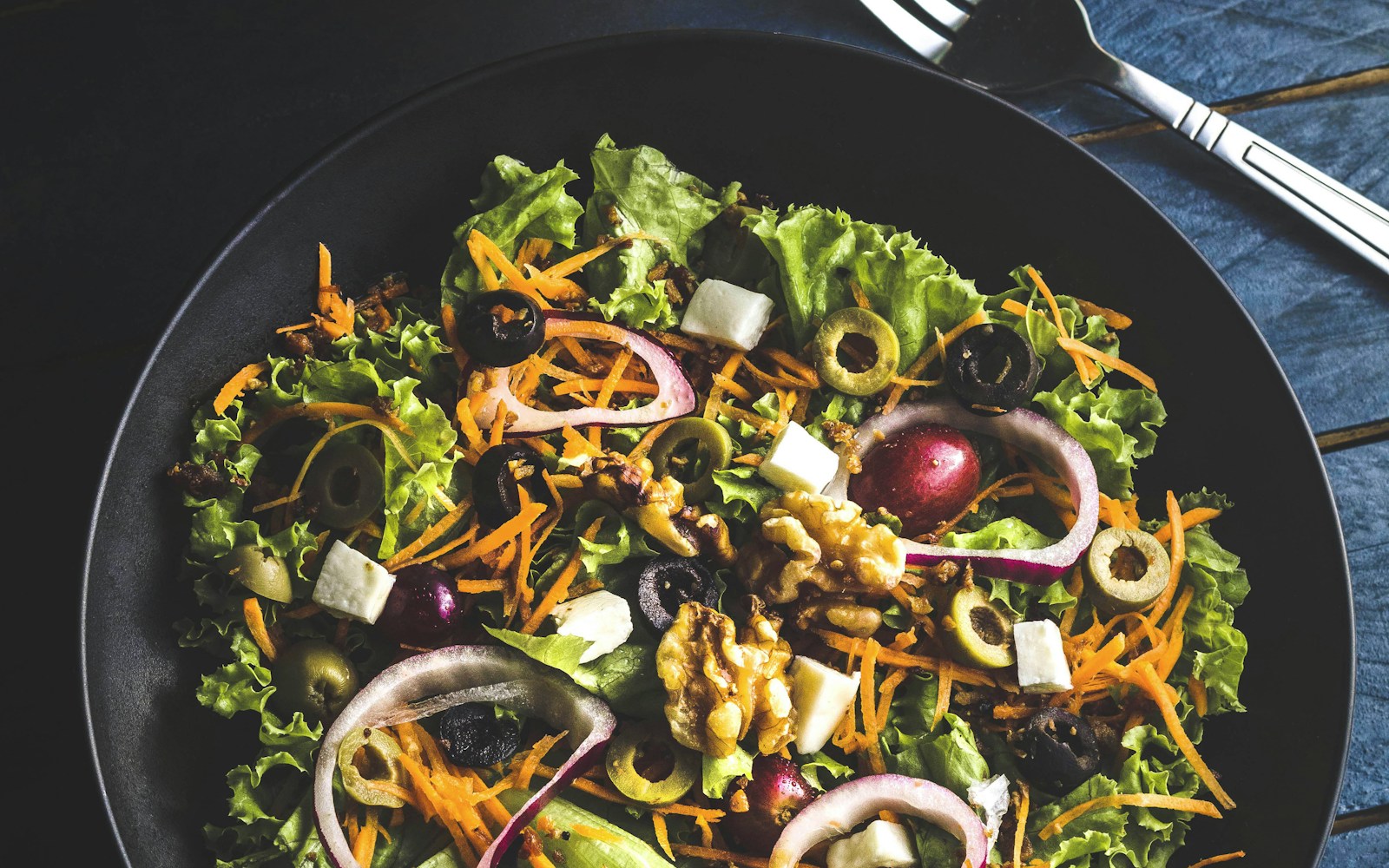
Every few years a new pattern arrives with a memoir, a list of forbidden foods and the implication that your grandmother was a fool. The Mediterranean diet — vegetables, pulses, nuts, olive oil, fish, modest dairy, little ultra-processed meat — keeps winning the boring prize: it is still the pattern with the deepest evidence for heart health, longevity and a liveable kitchen.
It is not a holiday menu. It is a way of eating that happens to look like one. The point is not grilled octopus at dusk. The point is fibre, unsaturated fat, polyphenols and an eating culture that does not treat dinner as a protein delivery system.
Keto can shrink weight quickly and may help some people with epilepsy or specific metabolic conditions. Most cannot live there. Very high-protein, very low-plant patterns often fail the fibre test. Juice plans fail the chewing test. The Mediterranean pattern fails only the excitement test, which is why magazines keep trying to replace it.
Britain can adopt the logic without pretending we all live in Crete in 1960. Tins of chickpeas, frozen vegetables, oats, mackerel and a bottle of olive oil are not exotic. They are also not, at present, the centre of the British food system.
If nutrition had a blue chip, this would be it. The rest is commentary.