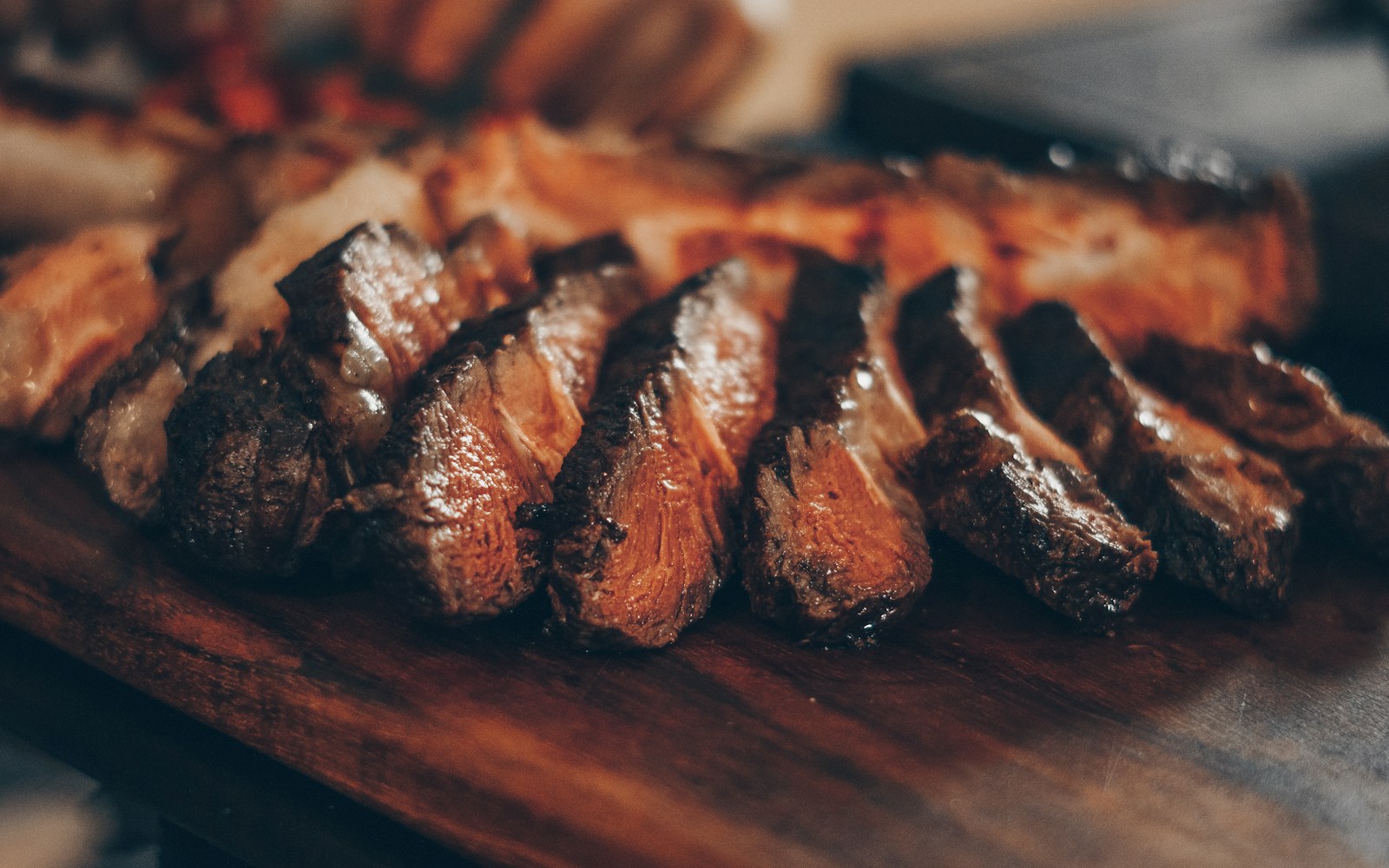
Few foods attract a more tribal argument than red meat. One side hears “carcinogen” and pictures a roast. The other hears “nutrient-dense” and pictures a health halo around a processed burger. The evidence sits awkwardly in the middle, which is why it is so often mis-sold.
Processed meats — bacon, ham, many sausages and deli slices — have the strongest link to bowel cancer. The advice to cut them down is not a fad. Unprocessed red meat, such as a piece of beef or lamb, has a weaker, dose-dependent association. Iron, zinc and B12 are real advantages, especially for people who struggle to get them elsewhere.
Environmental and animal-welfare arguments are separate from the cancer data, though they often arrive in the same sentence. You can believe Britain should eat less meat overall and still think a weekly steak is nutritionally unremarkable.
“Swap the weekday ham sandwich before you surrender the Sunday joint,” said Professor Cole. “And put lentils on the plate either way.”
For patients who enjoy meat, the practical pattern looks like this: processed meat as an occasional flavour, red meat in modest portions, more fish and pulses than last decade. That is not abstinence. It is proportion.