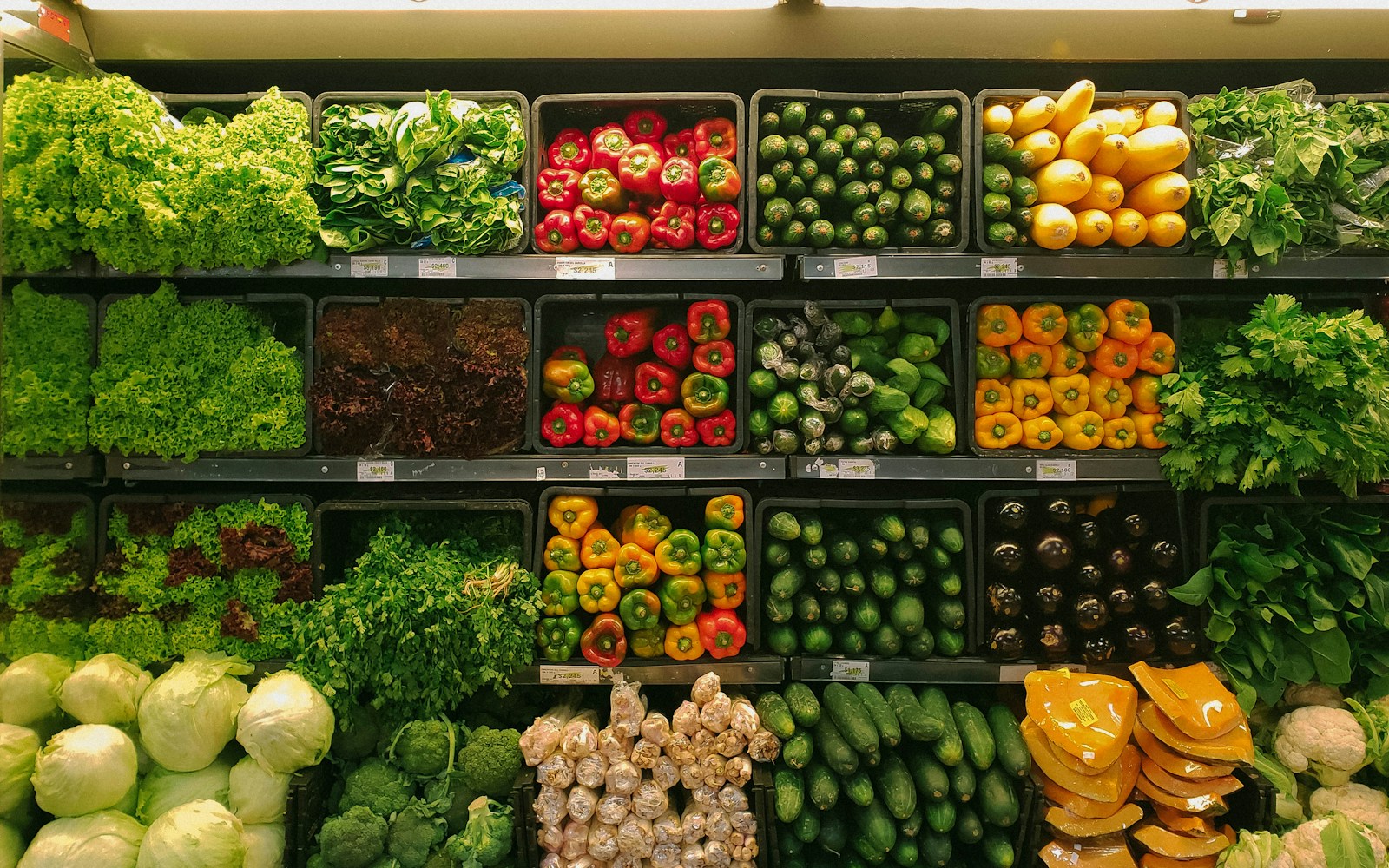
Tell a household to eat more vegetables when the nearest shop selling a decent bunch of greens is a bus ride away, and you have described a lecture, not a policy. Large parts of Britain are not literal deserts, but they are thinned out: plenty of calories, not enough food.
Takeaway density, corner shops heavy on alcohol and snacks, and the retreat of proper supermarkets from some high streets all shape what people eat before willpower enters the room. Price inflation since 2022 made the gap wider. Frozen vegetables and tinned pulses remain bargains; they are not always on the shelf that people actually pass.
Local authorities can use planning to limit new hot-food takeaways near schools. They cannot magic a greengrocer into a parade that will not sustain one. Discount retailers have, in some towns, done more for fibre intake than any campaign by stocking cheap frozen mixed vegetables.
“We keep writing recipes for people who already have olive oil,” said Tom Ridley. “A food strategy that does not start with access is just content.”
The Nutrition Times will keep saying this in plainer English than a white paper: the healthy choice has to be the easy choice on the street you actually live on.